
HVAC Maintenance In El Sobrante, CA
O.S. Heating & Cooling provides HVAC maintenance in El Sobrante, CA through equipment cleaning, filter inspection, electrical checks, thermostat testing, airflow review, and operating cycle evaluation.
- Home
- HVAC Maintenance

Maintenance Reveals Changes Before HVAC Performance Drops
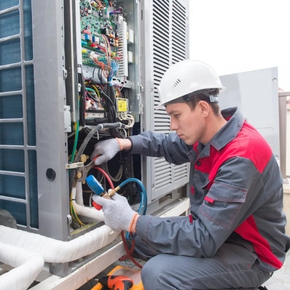
An HVAC maintenance service evaluates the conditions that affect heating, cooling, airflow, electrical operation, and temperature control. O.S. Heating & Cooling checks accessible system components for dirt buildup, loose connections, drainage concerns, restricted airflow, control faults, and visible wear that may interfere with normal operation.
Regular heating and cooling maintenance does not prevent every breakdown, but it can reveal developing issues before they cause a larger interruption. Seasonal HVAC service also creates an opportunity to review equipment performance before periods of heavier heating or cooling use.
Regular Checks Behind Consistent Operation
HVAC maintenance in El Sobrante, CA should cover more than replacing an air filter. Each maintenance appointment examines how the equipment starts, runs, circulates air, responds to the thermostat, and completes a normal operating cycle.
- Filter Condition Inspection
- Accessible Component Cleaning
- Electrical Connection Checks
- Thermostat Response Testing
- Household Airflow Review
- Operating Cycle Evaluation

The exact equipment maintenance process depends on the system type and its condition. Air conditioning maintenance may involve coils, drainage, electrical components, and cooling output, while heating maintenance can require inspection of ignition parts, burners, blowers, controls, and temperature response.
Inspection Findings Guiding System Repair Plan
With more than 24 years in the HVAC industry, O.S. Heating & Cooling performs HVAC maintenance in El Sobrante, CA by examining system behavior rather than following an identical checklist for every property. Residential HVAC maintenance and commercial HVAC maintenance require different operating, access, capacity, and scheduling considerations.
System Inspection
We review accessible equipment, controls, connections, airflow pathways, drainage, and operating conditions to identify wear or performance changes requiring attention.
Cleaning Priorities
Equipment cleaning focuses on accessible areas where dust, debris, or buildup may restrict airflow, interfere with heat transfer, or affect component operation.
Performance Testing
Thermostat testing, electrical checks, temperature response, blower operation, and cycle timing help determine whether the system is operating as expected.
Service Guidance
Inspection findings may support preventive maintenance, a minor adjustment, further diagnosis, or referral to complete HVAC service plans for a separate repair.
Frequently Asked Questions
Maintenance needs vary by equipment type, operating hours, property conditions, and previous service history. These answers explain what seasonal inspections can identify and when additional work may be necessary.
How often should a residential HVAC system receive maintenance?
Most systems should be inspected before periods of regular heating or cooling use, although service frequency depends on equipment age, operating hours, filter conditions, household airflow, pets, dust exposure, and previous problems. Heavily used systems may require more frequent evaluation.
Does an HVAC tune-up include repairing failed components?
An HVAC tune-up primarily covers inspection, testing, accessible cleaning, and minor adjustments within the approved maintenance scope. If testing identifies a failed control, motor, electrical component, or another defect, the technician should explain the separate repair before additional work begins.
Can maintenance improve weak airflow from household vents?
Maintenance may improve airflow when the restriction involves a dirty filter, accessible buildup, incorrect control settings, or a minor equipment condition. Damaged ducts, undersized returns, blower failure, or deeper airflow restrictions may require separate testing and repair beyond routine maintenance.
What is checked during seasonal air conditioning maintenance?
Seasonal air conditioning service may include filter condition, thermostat response, accessible coils, condensate drainage, electrical connections, blower operation, cooling output, and system cycling. The technician should also note unusual noise, visible wear, or conditions requiring additional diagnosis.
Is furnace maintenance still necessary when the heater seems normal?
Yes. Furnace service and maintenance can identify dirty burners, ignition wear, loose electrical connections, airflow restrictions, control problems, or abnormal cycling before the system stops producing heat. Normal operation does not confirm that every component remains in acceptable condition.
Check Performance Before Demand Increases
Arrange an inspection of your equipment, airflow, controls, and normal operating cycle.
Our Services
Get The Right Service Started!
Tell O.S. Heating & Cooling what your system is doing, and we will identify the service that fits its condition and requirements.