
Air Conditioning Installation In El Sobrante, CA
O.S. Heating & Cooling plans air conditioning installation in El Sobrante, CA around cooling demand, equipment capacity, duct compatibility, thermostat controls, electrical requirements, and available installation space.
- Home
- AC Installation

How Cooling Capacity Matches The Property Use
AC installation starts with determining how much cooling the building actually requires. O.S. Heating & Cooling reviews floor area, room use, insulation, window exposure, existing duct connections, return-air capacity, and electrical conditions before recommending equipment. This installation assessment reduces the risk of choosing a system that cycles too quickly or runs continuously without maintaining the selected temperature.
Air conditioner installation may involve a first-time central cooling installation or an equipment replacement within an existing system. The plan should identify whether current ducts, controls, drainage, and equipment transitions can support the new unit before installation begins.
Keeping The Installation Critical With A Structured Plan
Air conditioning installation in El Sobrante, CA requires several connected decisions before the equipment is started. Cooling equipment selection, system sizing, airflow setup, control wiring, and physical placement all affect how the finished system cools the property.
- Cooling Demand Assessment
- Equipment Capacity Selection
- Duct Connection Review
- Thermostat Control Setup
- Electrical Requirement Check
- Startup Performance Testing
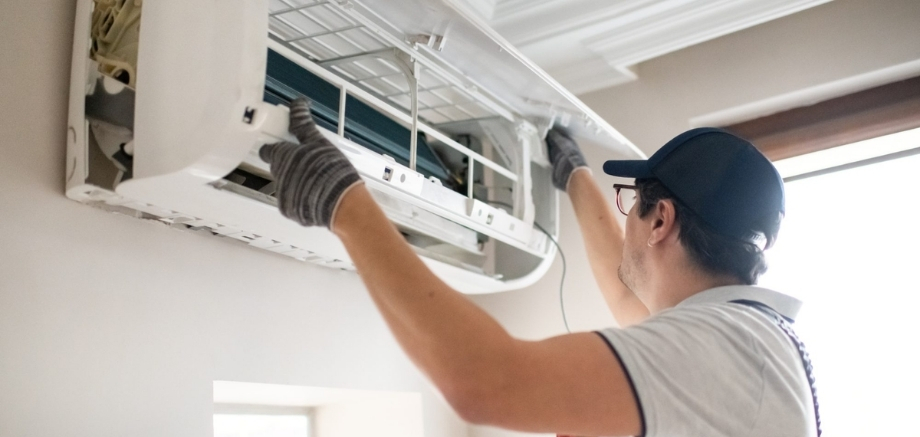
The work may involve AC replacement, air conditioning replacement, revised duct connections, new thermostat controls, or a complete cooling system installation. Properties without usable air distribution may need ductwork installation and repair, while compatible digital controls can be added through smart thermostat installation.
Trusted Expertise For AC Installation In El Sobrante
More than 24 years of HVAC experience informs how O.S. Heating & Cooling approaches air conditioning installation in El Sobrante, CA. We consider how the equipment, ducts, controls, drainage, electrical supply, and building layout will operate together after startup rather than treating installation as a simple equipment changeout.
Sizing Review
Residential AC installation requires equipment output that reflects the home’s cooling load, airflow capacity, insulation, exposure, and room-by-room temperature demands.
Site Planning
Commercial AC installation may require additional planning for operating schedules, equipment access, control zones, electrical capacity, occupancy patterns, and service interruptions.
Connection Setup
Central AC installation includes reviewing supply connections, return pathways, drainage, thermostat wiring, electrical service, equipment transitions, and future maintenance access.
Startup Testing
After installation, we test cooling output, blower response, thermostat commands, drainage, electrical operation, airflow distribution, cycle length, and unusual equipment noise.
Frequently Asked Questions
Air conditioning replacement decisions depend on more than equipment age. These answers explain how sizing, duct condition, electrical capacity, controls, and installation planning affect finished cooling performance.
Can an oversized air conditioner cool the property faster?
It may lower the thermostat temperature quickly, but oversized equipment can shut off before removing enough heat and moisture evenly. Frequent short cycles may also increase wear. Correct sizing supports longer, steadier cycles and more consistent room-to-room cooling.
Can central air replacement use the existing ductwork?
Existing ducts may remain when their dimensions, condition, return capacity, and layout support the replacement equipment. Leaking, restricted, damaged, or undersized ducts should be addressed because new cooling equipment cannot correct poor airflow distribution on its own.
What should be checked before replacing an old AC system?
The installation assessment should cover cooling demand, duct condition, electrical service, equipment location, drainage, thermostat wiring, installation clearances, and access for maintenance. These factors determine which replacement system can be installed and operated correctly.
Should a smart thermostat be installed with the new air conditioner?
It can be included when the thermostat supports the equipment stages, control voltage, wiring, and operating configuration. Planning the thermostat setup during installation allows required terminals, control settings, and common-wire needs to be addressed before startup testing.
What happens if the new AC produces weak airflow after installation?
Weak airflow may point to restrictive ducts, inadequate return capacity, incorrect blower settings, closed dampers, dirty components, or poor airflow balancing. Test the equipment and air distribution system together before assuming the newly installed unit is defective.
Build Cooling Process According To The Real Demand
Plan equipment, airflow, controls, and connections before replacing or installing your cooling system.

Our Services
Get The Right Service Started!
Tell O.S. Heating & Cooling what your system is doing, and we will identify the service that fits its condition and requirements.