Furnace Repair In El Sobrante, CA
O.S. Heating & Cooling provides furnace repair in El Sobrante, CA for no-heat conditions, ignition failure, blower problems, thermostat faults, repeated cycling, weak airflow, and sudden heating system failure.
- Home
- Furnace Repair
Why The Breakdown Point Must Be Identified First?
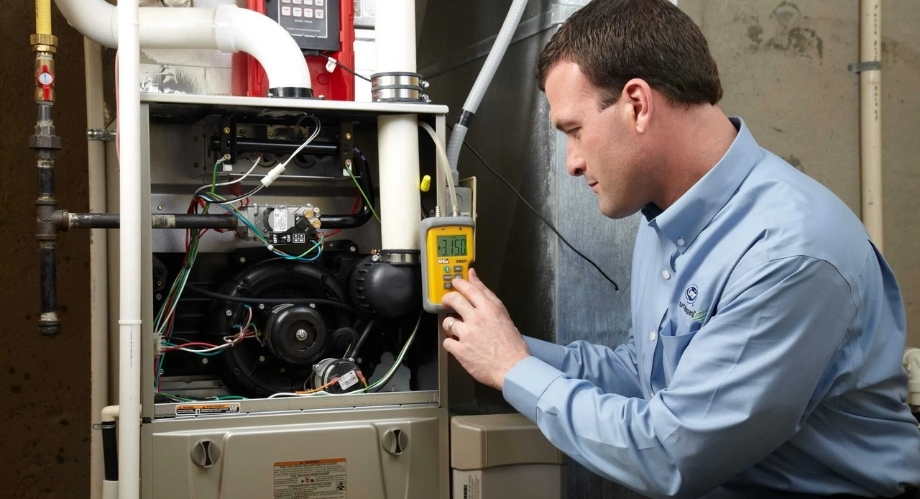
A furnace follows a defined operating sequence before warm air reaches the rooms. The thermostat requests heat, the controls respond, ignition begins, the burner or electric elements produce heat, and the blower distributes it. Furnace troubleshooting determines where this sequence stops rather than treating every no-heat condition as the same failure.
A furnace repair service may involve controls, ignition parts, burners, heating elements, blower components, wiring, or airflow restrictions. Testing the complete sequence prevents a visible symptom, such as cold air from the vents, from being mistaken for a confirmed component failure.
Furnace Symptoms Change As Cycles Progress
Furnace repair in El Sobrante, CA may require observing the equipment through startup, heat production, blower activation, and shutdown. Some faults prevent the system from starting, while others appear only after the furnace has operated long enough to overheat, lose flame, or receive an incorrect control signal.
- Failed Ignition Sequence
- Complete No-Heat Condition
- Repeated Furnace Cycling
- Delayed Blower Operation
- Weak Heating Airflow
- Unusual Furnace Noise
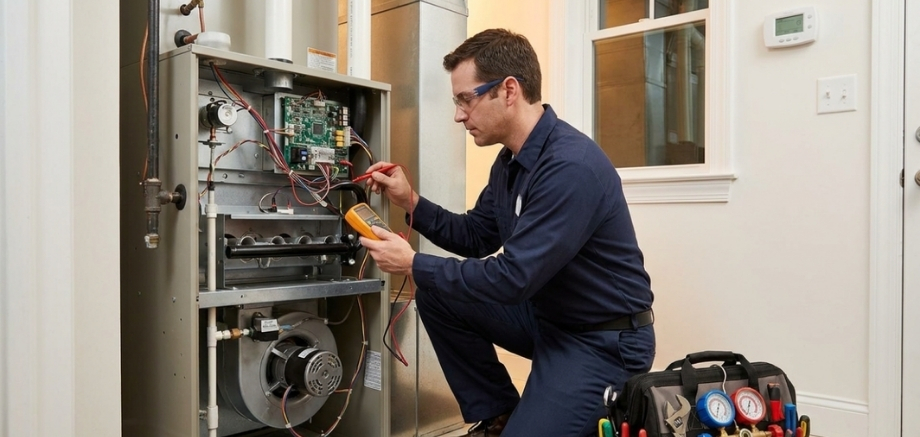
Gas furnace repair may involve pilot or ignition components, flame sensing, burner operation, gas controls, electrical connections, or safety devices. Electric furnace repair can require testing heating elements, sequencers, relays, wiring, and blower controls. Each system therefore needs a repair process based on how it creates and distributes heat. A central furnace repair may also reveal restrictions beyond the furnace cabinet. Dirty filters, inadequate return airflow, damaged ducts, or blocked supply pathways can reduce heat delivery and trigger operating problems even when the heat-producing components remain functional.
How Our Furnace Repair Work Follows System Behavior
With more than 24 years in HVAC work, O.S. Heating & Cooling performs furnace repair in El Sobrante, CA by comparing thermostat commands, ignition response, heating output, blower timing, electrical operation, and airflow. This separates repairable faults from broader conditions that may require additional heating system evaluation.
Ignition Analysis
We observe when ignition begins, whether flame or heating elements remain active, and which control interrupts the sequence when heating fails.
Blower Timing
The blower should start and stop at the correct points in the cycle. Incorrect timing may indicate motor, relay, control, or airflow problems.
Control Testing
Thermostat signals, electrical controls, safety switches, relays, and furnace responses are checked to determine whether commands reach the correct components.
Repair Scope
Residential furnace repair and commercial furnace repair differ in capacity, controls, access, runtime, and system layout, so the repair plan reflects the installed equipment.
Frequently Asked Questions
Furnace faults often produce overlapping symptoms. These answers explain how ignition, controls, airflow, burners, blowers, and electrical components are evaluated before heating furnace repair begins.
Why does my furnace click repeatedly without producing heat?
Repeated clicking may indicate unsuccessful ignition attempts, a damaged ignitor, unstable pilot operation, gas-control problems, electrical faults, or a control that cannot confirm flame. The ignition sequence should be observed before parts are replaced because several failures can produce the same sound.
Why does the furnace blow cold air before shutting down?
Cold airflow may occur when the blower starts, but the burner or electric elements fail to remain active. Thermostat settings, ignition failure, safety-control interruption, blower timing, or overheating can also cause this symptom. The heating and airflow sequences together.
What causes a furnace to turn on and off too frequently?
Furnace cycling may result from restricted airflow, a dirty filter, thermostat placement, overheating, ignition faults, control problems, or equipment sizing. Repeated short cycles increase wear, but the failed condition must be confirmed before replacing the thermostat, blower, or furnace controls.
Can weak airflow cause the furnace to overheat?
Yes. Restricted return air, blocked supply vents, dirty filters, blower problems, or damaged ductwork can reduce heat removal from the furnace. Rising internal temperature may activate a safety limit and shut the burners down before the property reaches the selected temperature.
When should I stop resetting a furnace that keeps failing?
Repeated resets can temporarily restart equipment without correcting ignition failure, electrical controls, burner problems, or overheating. If the furnace repeatedly locks out, trips a breaker, produces unusual noise, or loses heat again, stop resetting it and arrange central heating repair.
Restore Heat Through Accurate Diagnosis!
Schedule testing of ignition, controls, burners, blowers, airflow, and the complete heating sequence.
Our Services
Get The Right Service Started!
Tell O.S. Heating & Cooling what your system is doing, and we will identify the service that fits its condition and requirements.