
Wall Heater Installation In El Sobrante, CA
O.S. Heating & Cooling completes wall heater installation in El Sobrante, CA by reviewing room placement, fuel connections, venting, thermostat controls, wall clearances, and required heating output
- Home
- Wall Heater Installation
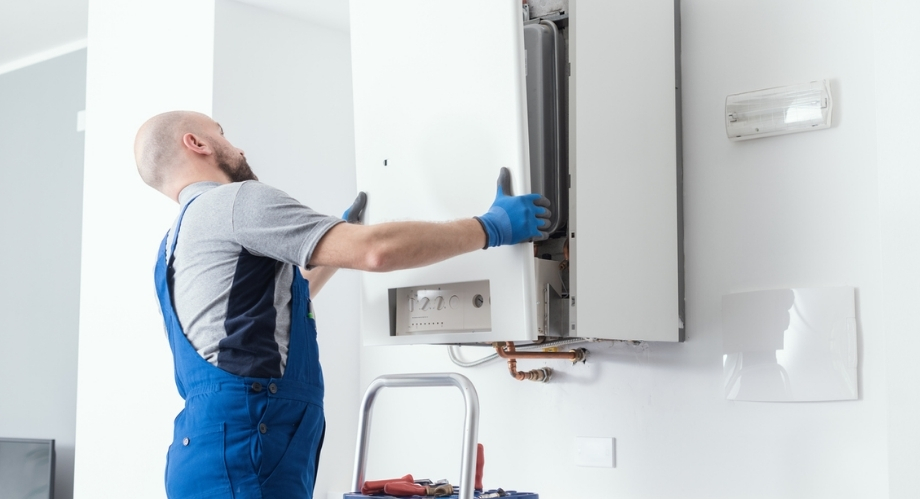
How The Wall Location Of The Heater Impacts The Heating
A wall heater must fit the room, the building layout, and the available mechanical connections. Before installation, O.S. Heating & Cooling evaluates the proposed location, wall opening requirements, nearby combustible materials, gas or electrical access, venting conditions, thermostat placement, and the area the heater is expected to warm.
Gas wall heater installation also depends on whether the existing vent path, gas connection, and wall structure can support the selected unit. A heater installed in the wrong position may distribute heat poorly, restrict service access, or require avoidable modifications later.
What Must Align Before The Unit Is Mounted
Wall heater installation in El Sobrante, CA involves several decisions that happen before the heater is secured in place. Equipment size, room demand, vent routing, control wiring, and wall construction all affect whether the finished system can operate correctly.
- Room Heat Demand
- Wall Opening Dimensions
- Gas Connection Routing
- Venting Path Assessment
- Thermostat Wiring Access
- Service Clearance Planning
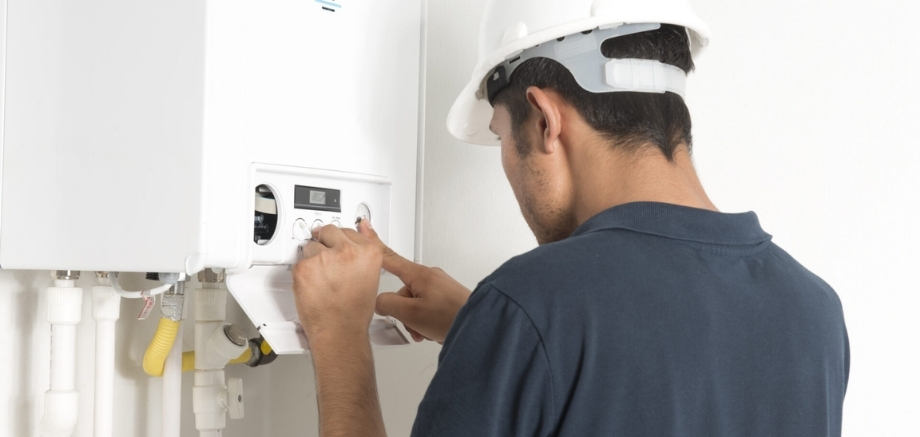
A new wall heater installation may replace an older unit in the same location or require changes to the opening, venting, controls, and connections. Gas wall furnace replacement is usually more straightforward when the new equipment matches the existing installation conditions, but compatibility should still be confirmed before removal begins.
Heater Replacement Work Fixing The Existing Problems
With more than 24 years in HVAC work, O.S. Heating & Cooling approaches wall heater installation in El Sobrante, CA by first examining what the old unit leaves behind. The wall cavity, vent connection, gas line, thermostat wiring, mounting surface, and access clearances determine how much of the previous installation can be reused.
Heater Selection
The selected unit should match the room’s heating demand, available wall space, fuel type, venting arrangement, control requirements, and installation clearances.
Opening Review
We inspect the wall opening for dimensions, structural condition, mounting support, vent access, connection placement, and compatibility with the replacement equipment.
Connection Setup
Gas, electrical, thermostat, and vent connections are prepared according to the heater configuration before the unit is placed and secured.
Startup Inspection
After installation, we check ignition, burner operation, thermostat response, heating output, shutdown sequence, venting behavior, and unusual sound or odor.
Frequently Asked Questions
Wall heater replacement can be affected by room size, wall construction, vent routing, gas access, and control compatibility. These answers address the installation conditions that most often change project scope.
Can a new wall heater use the existing wall opening?
It may, but only when the opening dimensions, mounting support, vent location, gas connection, and required clearances suit the new heater. Even similar-looking models can have different cabinet sizes or connection points, so the opening should be measured before equipment selection.
Does a replacement wall heater need a new vent?
Not in every case. The existing vent may remain when its size, material, route, connection, and condition meet the new heater’s requirements. Damaged, disconnected, corroded, or incompatible venting may need modification or replacement before the heater can be started.
How is the right wall heater size determined?
Heater selection should consider room dimensions, ceiling height, insulation, window exposure, exterior walls, expected heat loss, and how the space is used. Choosing only by the old unit’s size can repeat an earlier sizing problem or produce uneven heating.
Can the existing thermostat be reused with a new wall furnace?
Reuse depends on voltage, wiring condition, terminal configuration, control type, and compatibility with the new equipment. Older thermostats may not provide the correct signal, while damaged or incomplete wiring may require correction before the heater can respond consistently.
What should be checked after a gas wall furnace replacement?
Installation inspection should confirm ignition, burner stability, thermostat response, heating output, shutdown operation, gas connections, venting behavior, and clearances around the unit. If the existing heater only needs correction rather than replacement, wall heater repair may be the more practical service.
Fit The Heater According To Your Room!
Plan the opening, controls, connections, venting, and output before replacing the existing unit.
Our Services
Get The Right Service Started!
Tell O.S. Heating & Cooling what your system is doing, and we will identify the service that fits its condition and requirements.