HVAC Repair In El Sobrante, CA
O.S. Heating & Cooling provides HVAC repair in El Sobrante, CA for heating failures, cooling problems, weak airflow, thermostat faults, equipment cycling, and unexpected system breakdowns.
- Home
- HVAC Repair
Find The Fault Before Replacing Parts
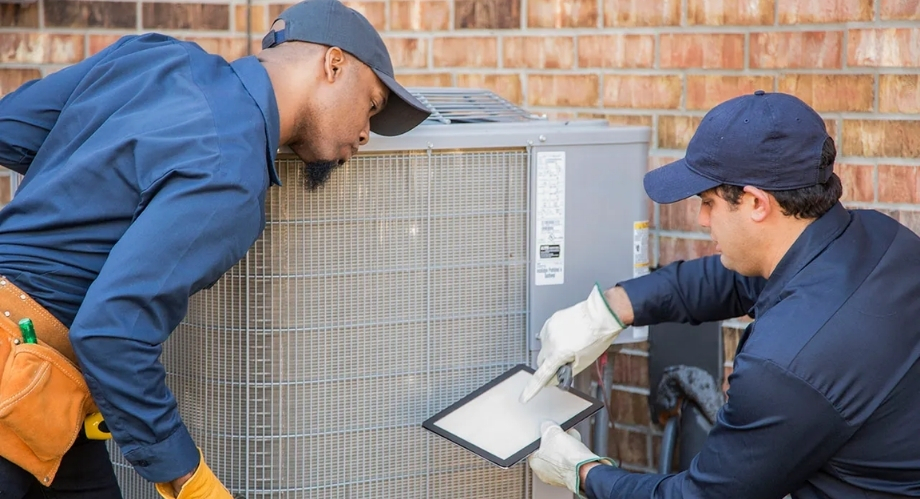
An HVAC repair service should begin with system diagnostics rather than assumptions based on one visible symptom. O.S. Heating & Cooling examines thermostat signals, electrical controls, equipment operation, airflow, temperature output, and unusual system noise to determine why the system has stopped heating, cooling, or circulating air correctly.
Effective heating and cooling repair requires separating the failed component from conditions affecting the entire system. Restricted ductwork, electrical faults, blower problems, and control issues can create similar symptoms, so each part must be tested before the repair scope is defined.
HVAC Repairs For TheProblems Disrupting Operation
HVAC repair in El Sobrante, CA may involve equipment, wiring, controls, airflow pathways, or mechanical components. Our technicians trace each symptom through the system to identify what has failed and whether the problem is isolated or connected to a broader performance issue.
- Weak Household Airflow
- Repeated Equipment Cycling
- Unresponsive Thermostat Controls
- Complete Heating Failure
- Reduced Cooling Output
- Unexpected System Noise
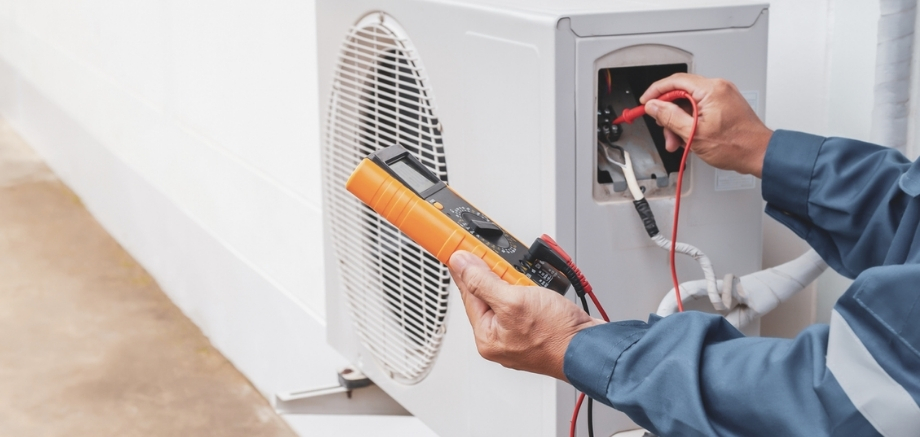
The required HVAC equipment repair may include electrical correction, thermostat replacement, blower service, component repair, airflow restoration, or damaged connection replacement. When the issue is cooling-specific, air conditioning repair may be appropriate. Heating faults may require a dedicated furnace repair service or another equipment-specific solution.
Diagnostic Experience Shapes Every Repair
With more than 24 years in the HVAC industry, O.S. Heating & Cooling evaluates how controls, electrical components, heating equipment, cooling equipment, blowers, and ducts interact. Our approach to HVAC repair in El Sobrante, CA focuses on verifying the actual fault, explaining the findings, and determining whether repair remains practical.
Fault Isolation
We test system functions in sequence to distinguish thermostat faults, electrical failures, airflow restrictions, and mechanical problems from complete equipment failure.
Airflow Testing
Weak airflow may involve filters, blower problems, blocked returns, damaged ducts, or equipment operation, so airflow pathways are checked before repairs begin.
Repair Context
Residential HVAC repair and commercial HVAC repair require different evaluations because equipment capacity, controls, access, operating schedules, and system configurations may vary.
Scope Clarity
Before work proceeds, we explain the diagnosed issue, affected component, recommended repair, and any conditions that may limit continued system operation.
Frequently Asked Questions
HVAC breakdowns often produce similar symptoms even when the underlying causes differ. These answers explain how technicians interpret system behavior before recommending heating system repair or cooling system repair.
Why does my HVAC system run but produce no heating or cooling?
The cause may involve thermostat faults, electrical controls, airflow restrictions, failed heating components, cooling equipment problems, or communication loss between system parts. System diagnostics should confirm whether the equipment is operating without producing conditioned air or failing to activate correctly.
Does weak airflow always mean the blower motor is failing?
No. Weak airflow may result from a clogged filter, restricted return, damaged ductwork, closed vents, dirty coils, incorrect blower settings, or motor failure. A technician should evaluate the complete air pathway before deciding whether blower repair or damaged ductwork repair is required.
Why does my HVAC equipment keep turning on and off?
Equipment cycling may be caused by restricted airflow, thermostat placement, overheating, electrical faults, dirty components, or incorrect system sizing. Frequent cycling increases component wear, but the exact cause must be tested before replacing controls, sensors, or major equipment.
Can unusual system noise indicate an immediate repair need?
Rattling may indicate loose panels or components, while buzzing can point to electrical controls or motor problems. Grinding, scraping, or repeated ignition noises deserve prompt inspection because continued operation may increase damage to moving parts or connected equipment.
When should a system breakdown lead to replacement instead of repair?
Replacement may be considered when repair involves several worn components, the equipment has repeated failures, parts are unavailable, or restored operation would remain unreliable. Customers can review complete HVAC service options before comparing repair scope against replacement requirements and expected system condition.
Restore Normal System Operation Today!
Schedule diagnostics for heating, cooling, airflow, electrical, or control problems affecting your property.
Our Services
Get The Right Service Started!
Tell O.S. Heating & Cooling what your system is doing, and we will identify the service that fits its condition and requirements.