
Floor Furnace Repair In El Sobrante, CA
O.S. Heating & Cooling performs floor furnace repair in El Sobrante, CA for pilot light problems, ignition failure, burner faults, thermostat issues, restricted grille airflow, and complete loss of heat.
- Home
- Floor Furnace Repair
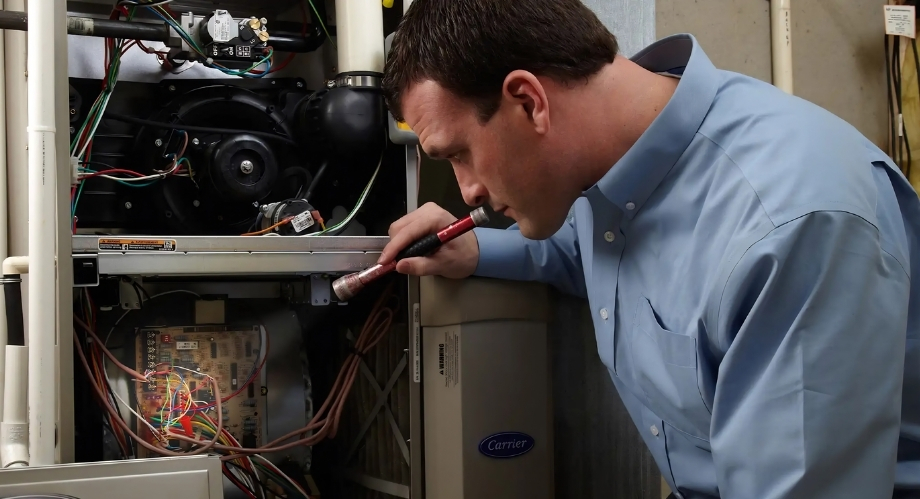
Why Furnace Problems Start Beneath The Grille
A floor furnace releases heat directly through a floor grille rather than distributing it through a conventional supply-duct network. Because the unit sits below the occupied space, floor heater repair requires access to components that may be affected by dust, restricted airflow, control failure, ignition problems, or deterioration around the furnace compartment.
A gas floor furnace repair begins by observing the full heating sequence. The thermostat must call for heat, the pilot or ignition system must respond, the burner must operate correctly, and rising heat must pass through the grille without obstruction.
Floor Furnaces Reveal Faults In Phases
Floor furnace repair in El Sobrante, CA should follow what the unit does from the first thermostat signal to burner shutdown. A furnace that produces no heat may have a different fault from one that ignites, runs briefly, and stops before warming the room.
- Unstable Pilot Flame
- Delayed Burner Ignition
- Blocked Floor Grille
- Unresponsive Thermostat Signal
- Repeated Furnace Shutdown
- Insufficient Heating Output
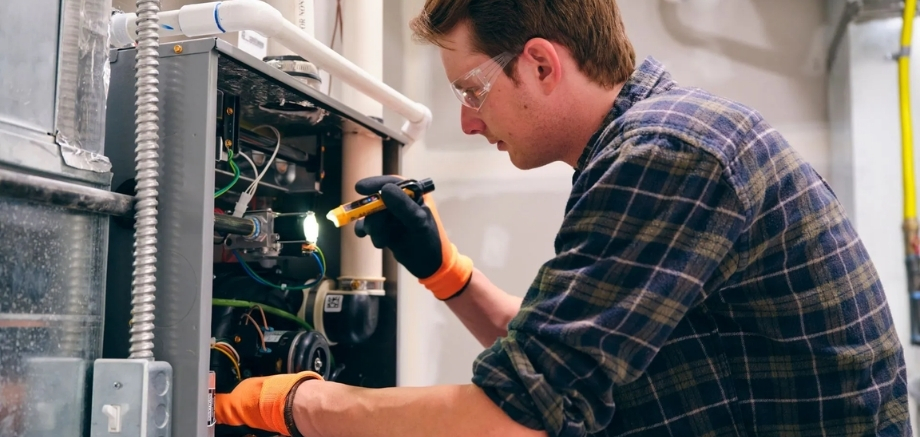
Floor furnace troubleshooting may lead to pilot assembly work, thermostat correction, burner service, control replacement, cleaning, or repair of another floor furnace component. When deterioration extends beyond one serviceable part, floor furnace installation may be more practical than continuing to repair an aging gas heating system.
How Access Panel Changes The Diagnostic Process
Unlike a wall-mounted or central unit, a floor furnace must often be inspected through the grille opening, access panel, crawlspace, or another service point beneath the floor. O.S. Heating & Cooling plans the heating system diagnosis around safe component access, visible furnace condition, control response, burner behavior, and venting.
Access Assessment
We identify how the furnace, burner, pilot assembly, gas controls, thermostat wiring, and vent connection can be reached before testing begins.
Ignition Sequence
The pilot, safety sensor, gas valve, burner, and shutdown controls are observed to locate where normal heating operation stops.
Airflow Path
The floor grille and furnace opening are checked for restrictions that can trap heat, reduce room output, or trigger safety-related shutdowns.
Repair Viability
Equipment age, component condition, repeated failures, access limitations, and parts availability help determine whether continued floor heating repair remains reasonable.
Frequently Asked Questions
Floor furnace symptoms often change as the unit warms, making operating-sequence testing important. These answers address pilot failure, burner behavior, airflow restrictions, thermostat faults, and repair limits.
Why does my floor furnace pilot light keep going out?
A pilot may go out because of a dirty pilot opening, weak flame, failing thermocouple, gas-control problem, air movement, or improper flame contact with the safety sensor. The pilot assembly and controls should be inspected before assuming that one part needs replacement.
Why does the burner ignite and then shut off shortly afterward?
Early shutdown may result from overheating, restricted floor grille airflow, a failing safety control, thermostat interruption, unstable burner operation, or a venting concern. The furnace should be observed through a complete cycle to identify which condition ends the heating call.
Can furniture or carpeting interfere with a floor furnace?
Yes. Covering or crowding the grille can restrict rising heat, reduce room circulation, trap excessive temperature around the unit, and create unsafe operating conditions. The grille should remain unobstructed, with surrounding clearances reviewed according to the installed furnace configuration.
Why does my floor furnace make a booming sound when it starts?
A delayed ignition can allow gas to collect briefly before the burner lights, producing a noticeable boom. Burner contamination, pilot position, ignition timing, or gas-delivery issues may contribute. Stop using the unit if ignition becomes forceful and arrange a furnace service appointment.
When is professional furnace repair better than replacing the floor unit?
Professional furnace repair may remain practical when the fault is isolated, required parts are available, the burner and furnace body remain serviceable, and previous failures are limited. Replacement deserves consideration when deterioration affects multiple components, venting, access, or continued operating reliability.
Restore Heat From The Root Safely
Arrange testing of the pilot, burner, controls, grille airflow, and floor furnace components.

Our Services
Get The Right Service Started!
Tell O.S. Heating & Cooling what your system is doing, and we will identify the service that fits its condition and requirements.